
Restoring a 1948 Indian Chief: Where to Begin
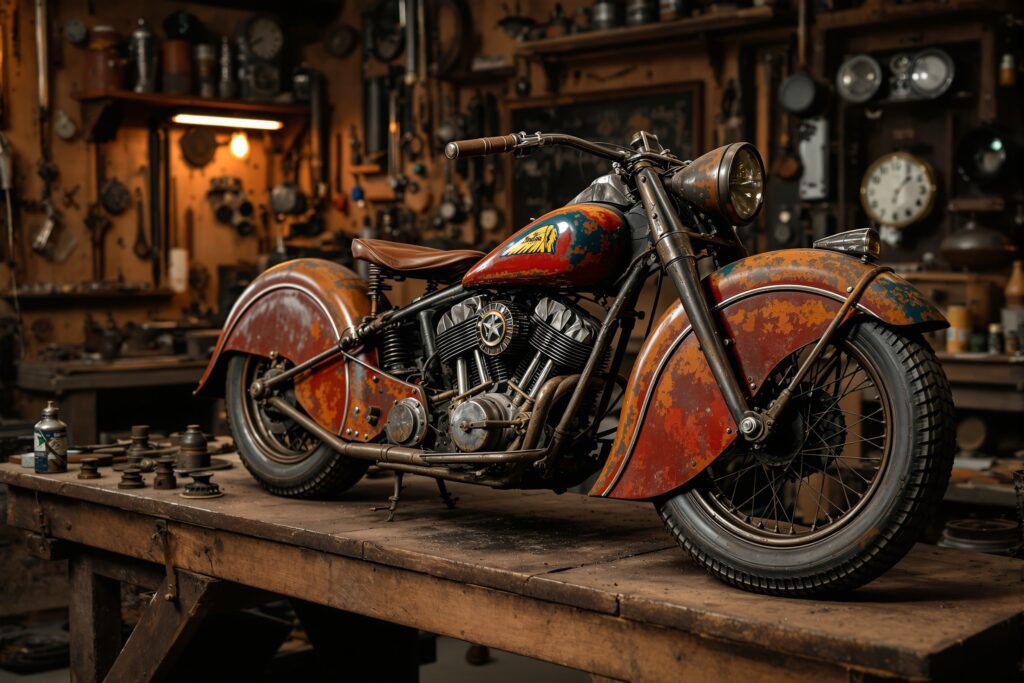
Restoring a 1948 Indian Chief is more than just a mechanical project—it is a journey into the history of American motorcycling. Known for its iconic valanced fenders, powerful flathead engine, and timeless design, the Indian Chief represents one of the most sought-after vintage motorcycles among collectors and enthusiasts. But before diving into a full restoration, it is essential to understand where to begin, what to prioritize, and how to avoid costly mistakes.
Understanding the Scope of the Project
The first step in restoring a 1948 Indian Chief is determining the scope of your project. Not all restorations are the same. Some owners aim for a complete frame-off restoration, bringing the motorcycle back to factory condition. Others prefer a mechanical rebuild while preserving as much original patina as possible.
Carefully assess your goals. Are you restoring the bike for show, resale, or personal enjoyment? This decision will influence everything from parts selection to finishing details.
A full restoration typically involves:
- Complete disassembly of the motorcycle
- Inspection and refurbishment of every component
- Repainting and refinishing
- Engine and transmission rebuild
- Electrical system replacement
Knowing your end goal will help you plan both your time and budget more effectively.
Initial Inspection and Documentation
Before turning a single wrench, perform a detailed inspection. Take photographs from every angle, including close-ups of components, wiring routes, and hardware placement. These references will be invaluable during reassembly.
Pay special attention to:
- Frame integrity and alignment
- Engine condition (seized, partially functional, or running)
- Missing or non-original parts
- Signs of rust, corrosion, or previous repairs
Document all serial numbers and casting marks. Authenticity plays a major role in the value of vintage motorcycles, especially for a model like the 1948 Indian Chief.
Sourcing Parts and Components
One of the biggest challenges in restoring a vintage motorcycle is sourcing the correct parts. Original components for the 1948 Indian Chief can be rare and expensive, but high-quality reproduction parts are widely available.
Start by identifying what you already have and what needs replacement. Commonly replaced parts include:
- Wiring harnesses
- Rubber components
- Bearings and seals
- Fuel system parts
When sourcing parts, prioritize quality over cost. Cheap components can lead to poor performance and may require replacement sooner than expected.
Specialized salvage shops, vintage swap meets, and trusted online suppliers are excellent sources. Building relationships within the vintage motorcycle community can also help you locate rare or hard-to-find items.
Engine and Drivetrain Evaluation
The heart of the 1948 Indian Chief is its 74 cubic inch flathead engine. Before rebuilding, determine its condition. If the engine turns freely, you may only need a partial rebuild. However, seized engines typically require a full teardown.
Key areas to inspect include:
- Cylinder walls and pistons
- Crankshaft and bearings
- Valves and guides
- Oil pump and lubrication system
The transmission and clutch system should also be evaluated. Worn gears, slipping clutches, and damaged linkages are common issues in older motorcycles.
A proper engine rebuild requires precision and patience. If you lack experience, consider working with a specialist who understands vintage engines.
Frame and Chassis Restoration
The frame and chassis form the foundation of your restoration. Inspect the frame for cracks, bends, or previous welding repairs. Any structural issues should be addressed before proceeding.
Once repairs are complete, the frame can be cleaned and prepared for finishing. Depending on your restoration goals, you may choose:
- Powder coating for durability
- Traditional paint for authenticity
Suspension components, including the front fork and rear assembly, should also be rebuilt or replaced as needed.
Electrical System Overhaul
Original electrical systems on vintage motorcycles are often unreliable due to age and wear. Replacing the wiring harness is usually necessary to ensure safety and proper function.
Key upgrades include:
- New wiring harness
- Updated ignition components
- Reliable battery and charging system
While maintaining a vintage appearance is important, modern components can be discreetly integrated to improve reliability without compromising authenticity.
Fuel and Carburetion System
The fuel system plays a critical role in engine performance. Old fuel tanks often contain rust or debris that can damage internal components.
Steps to restore the fuel system:
- Clean and seal the fuel tank
- Rebuild or replace the carburetor
- Install new fuel lines and filters
Proper tuning of the carburetor is essential for smooth operation and optimal performance.
Bodywork and Finishing Details
The 1948 Indian Chief is famous for its distinctive styling, especially its large valanced fenders. Restoring these components requires attention to detail and craftsmanship.
Bodywork typically involves:
- Repairing dents and imperfections
- Sanding and preparing surfaces
- Applying primer and paint
- Finishing with clear coat
Accurate color matching and correct decals are crucial for an authentic restoration. Research original factory specifications to ensure accuracy.
Reassembly and Final Adjustments
Reassembly is where all your hard work comes together. Use the documentation and photos you took during disassembly as a guide.
Take your time and focus on:
- Proper torque specifications
- Correct routing of cables and wiring
- Alignment of components
Once assembled, perform a thorough inspection before starting the engine. Check fluid levels, connections, and moving parts.
The first startup should be done carefully, monitoring for leaks, unusual noises, or performance issues.
Patience and Attention to Detail
Restoring a 1948 Indian Chief is not a quick process. It requires patience, dedication, and a willingness to learn. Every bolt, bracket, and component contributes to the final result.
Avoid rushing through steps. Taking shortcuts can lead to problems later and may reduce the value of your restoration.
Final Thoughts
Starting the restoration of a 1948 Indian Chief can feel overwhelming, but breaking the process into manageable steps makes it achievable. With careful planning, proper tools, and the right resources, you can bring a piece of motorcycle history back to life.
Whether your goal is a concours-level restoration or a reliable vintage rider, the journey itself is one of the most rewarding aspects. Each stage of the project connects you to the craftsmanship and engineering of a bygone era.
In the end, restoring a 1948 Indian Chief is not just about rebuilding a motorcycle—it is about preserving a legacy.